Your Indian vendor's new export paperwork: what a UK client should send
Since 1 October 2026, Indian service exporters declare invoices to their bank on an Export Declaration Form. What it means for you as the UK client, and what to send.

A week after you paid her March invoice, the freelance developer you work with in Kochi emails. Could you send a copy of the signed statement of work, and confirm which invoice the payment covered? Her bank has asked. You paid on time, in full, to the account she gave you. So why is her bank asking you anything?
Because India changed how service exporters report their foreign income, and the paperwork runs through the payment you sent. None of it is a filing for you. But the details you put on a payment, and the documents you keep, decide how easily your vendor gets through it. This guide sets out what changed, what a November amendment did for freelancers and small invoices, and what to send.
What changed on 1 October 2026
From 1 October 2026, India's Foreign Exchange Management (Export and Import of Goods and Services) Regulations, 2026 replaced the 2015 export rules. The old SOFTEX form for software exports ended, and a single Export Declaration Form (EDF) now covers goods, services and software.
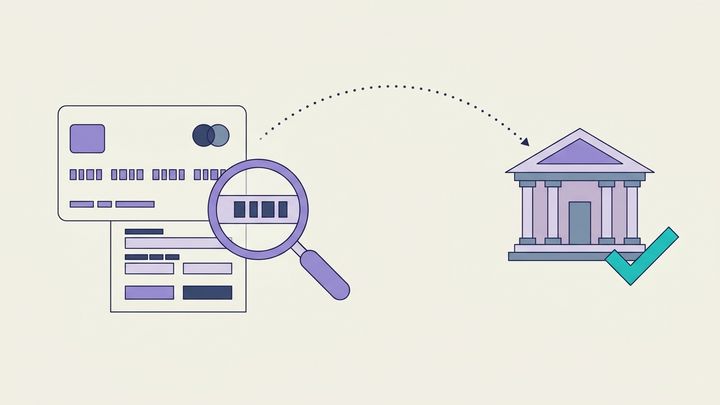
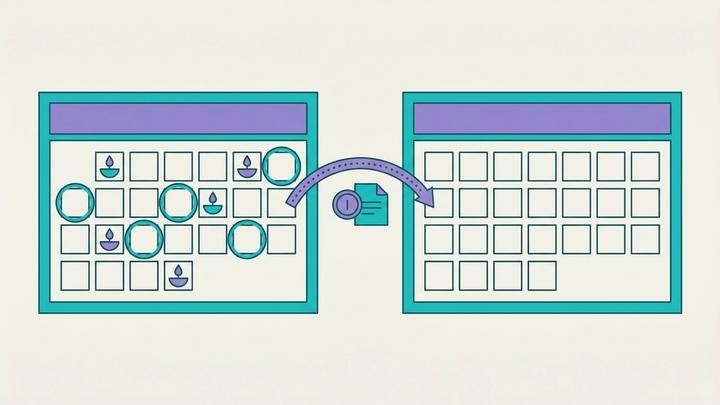
For a service exporter, the EDF is lodged with the bank that receives the money, known in India as the AD bank. It is generally due within 30 days from the end of the month in which the invoice was raised, and one monthly form can cover several invoices. The form records details such as the exporter's tax identifiers, the code for the type of service and, where someone other than the client pays, the third party's details.
The obligation sits with the exporter, not with you. What the bank does, though, is match money that arrives to invoices that were declared. The information it uses to make that match comes from your payment.
The November change: freelancers and smaller payments
On 2 November 2026 the Reserve Bank of India issued Notification No. FEMA 23(R)/(2)/2026-RB, which applies from 1 October 2026. It splits service exporters in two:
- Resident individuals (a natural person resident in India) are treated as having submitted the EDF once they give their bank the information it needs to credit the payment. There is no value limit.
- Everyone else, such as companies, LLPs and partnerships, gets the same treatment only where the inward remittance for the service is ₹10 lakh or less, or its foreign-currency equivalent. Above that, the full form applies.
| Who you pay | What their bank expects | What helps from your side |
|---|---|---|
| Individual freelancer or contractor | Treated as filed once the bank has the details to credit the payment | A clear reference, and an invoice copy if the bank asks |
| Agency or company, remittance up to ₹10 lakh | Treated as filed on the same basis | The same, plus paying from the entity named on the invoice |
| Agency or company, remittance above ₹10 lakh | A full EDF | Invoice numbers on the payment, and the contract or purchase order if asked |
| Sole trader billing under a business name | Not settled in the notification's text | Assume the bank may ask for the full set |
Three caveats. The ₹10 lakh line is measured in rupees, so the dollar amount it equals moves with the exchange rate. The notification does not say how a sole trader who invoices under a trading name is treated, and the Reserve Bank had not published an FAQ on it when we wrote this. And each Indian bank sets its own procedure under the new rules, so some will keep asking for documents even where the form is treated as filed. Where the threshold applies is a matter for your vendor and their bank. It is not a reason to change how you are invoiced.
What your vendor's bank needs to match your payment
Most of the friction comes from payments that are hard to match to an invoice. Five habits on your side remove most of it:
- Put the invoice number in the payment reference. "March services" or "payment" forces your vendor to explain the money to their bank. "INV-2026-031" does not.
- Pay one invoice per payment where you can. If one transfer covers several invoices, list them, or send the vendor a breakdown the same day.
- Send the amount and currency on the invoice. If bank charges are deducted on the way, the vendor receives less than they declared. We explain how that happens in why your Indian vendor received less than you sent.
- Pay from the business named on the invoice. Under the 2026 rules, a payment from a third party is accepted at the bank's discretion, and the form records who that third party was. A payment from your parent company, another group entity or a director's personal account can prompt questions the vendor then brings to you.
- Tell the vendor when you have paid. A short note with the date, amount, currency and invoice numbers lets them match the credit when it lands.
Documents your vendor may ask you for
When a bank wants support for an invoice, your vendor will usually come back to you for one of a few things. Having them in one place turns a week of emails into a reply the same afternoon:
- the signed contract, statement of work or purchase order behind the invoice;
- written confirmation of which invoice, or invoices, a payment covered;
- for a deposit or part payment, which invoice it belongs to and what balance remains;
- the payment confirmation from your bank or payment provider, showing the date, amount and reference.
None of this is confidential beyond your normal commercial terms, and it is the same paper you already keep for your own books. If a request goes further, for example asking for your company's bank statements or identity documents, check it through a known contact before you reply. Requests that arrive by email and change how you pay are a common cover for fraud, a point we cover in our guide to checking an Indian vendor's bank details.
Keep the same file on your side
The file that helps your vendor also covers you. GOV.UK says a limited company must keep its accounting records for 6 years from the end of the last company financial year they relate to, and longer in some cases, and that those records include all money the company spends, such as receipts and orders.
For each Indian vendor, that means one folder holding the contract or purchase order, each invoice, the approval, the payment confirmation and the bank details you verified. If you buy services from an Indian agency, the invoice also matters for your UK VAT return, which we cover in our checklist for paying an Indian supplier. For a monthly run of contractor invoices, the routine in how to pay Indian contractors from the UK keeps the paperwork in step with the payments.
Where Winvesta fits
With Winvesta you send one USD transfer from your business account with the invoices attached, and we split it across your Indian vendors. There is no sender fee and no markup. The full net invoice amount is converted at the live USD to INR rate, and INR usually lands in your vendor's Indian bank in 1 to 2 days. Each vendor receives an e-FIRA and remittance advice to support their tax and export-compliance records.
What it does not do: it is not a UK bank account, and it does not give tax or regulatory advice. Questions about your vendor's own form are for them and their bank. If you pay Indian freelancers or agencies every month and want the paperwork to arrive with the money, tell us what you pay and we'll show you how it would work.
Frequently asked questions
Do I, as the UK client, have to file an Export Declaration Form?
No. The EDF is lodged by the Indian exporter with the bank that receives the payment. Your part is to pay in a way their bank can match to the invoice, and to keep the paperwork you would keep anyway.
My freelancer says they no longer need an EDF. Is that right?
Under the Reserve Bank of India's amendment of 2 November 2026, a resident individual exporting services is treated as having submitted the form once they give their bank the information it needs to credit the payment. Their bank can still ask for supporting documents under its own procedure.
Is the ₹10 lakh limit per invoice or per month?
The notification ties it to the value of the inward remittance for the service. How a bank applies that to one payment covering several invoices is a question for your vendor and their bank.
Can our parent company pay the invoice for us?
The 2026 rules allow payments from a third party at the receiving bank's discretion, and the form records the third party's details. Agree it with the vendor first and expect questions. Paying from the entity named on the invoice is simpler.
What should go in the payment reference?
The invoice number, or numbers if one payment covers several. For a deposit or part payment, add the invoice it belongs to, and tell the vendor the remaining balance in writing.