Paying an Indian agency or supplier from the UK: the checklist before the first payment
Before you pay an Indian agency or service supplier from the UK: agree currency and charges, verify bank details, get the VAT right and send proof of payment.
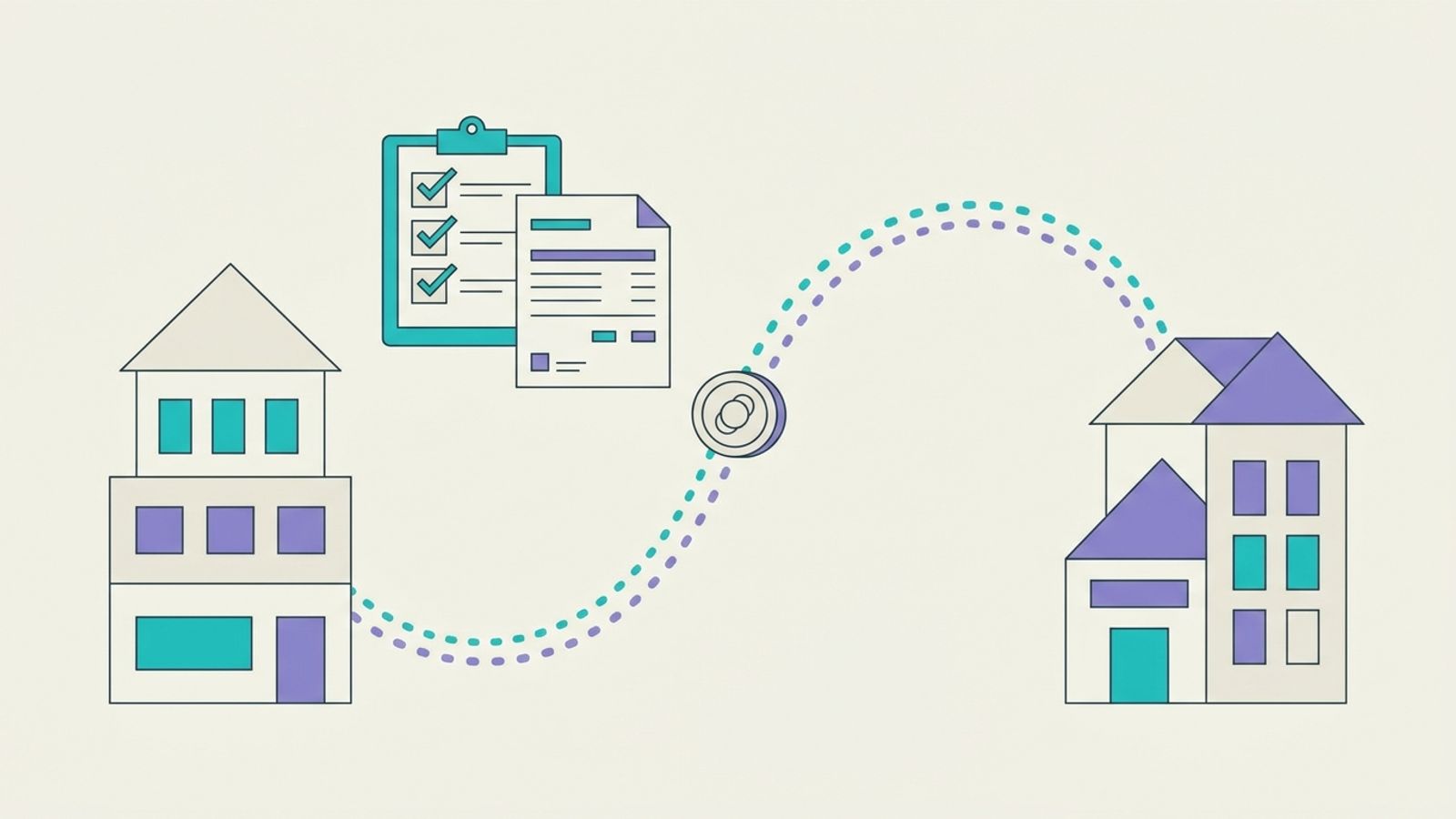
The invoice is from a design agency in Bengaluru: $15,000 for a website rebuild, net 15. It's your first job with them. The account details sit at the bottom of a PDF that arrived by email, and someone in the team wants it paid by Friday so the work can start.
Paying it is easy. Paying it so that the right business gets the full amount, your VAT return is right and the agency can match the money to its invoice takes a few more minutes. This is the checklist we would run before the first payment to any Indian agency or service supplier.
Agree the currency and who pays the charges
Settle two things before the first invoice is raised, not after: the currency and who carries the transfer costs. Many Indian agencies quote UK clients in US dollars, so the invoice, the payment and the amount the agency books all line up. If you pay in pounds instead, someone converts, and the agency may receive a different number from the one it invoiced.
Then agree how bank charges are split. On a SWIFT wire you choose OUR (you pay everything), SHA (shared) or BEN (the recipient pays). With SHA or BEN, intermediary banks can take their cut on the way, and the agency sees a short payment. We explain how that happens in why your Indian vendor received less than you sent. If the agency expects the full invoice amount, write that into the purchase order.
Check the supplier, then check the bank details separately
The name on the bank account should match the legal name on the invoice and the contract. A personal account for a business invoice, or a name that is close but not the same, is a reason to stop and ask.
Then confirm the account details through a second channel. The National Crime Agency's note on payment diversion fraud describes criminals "creating or amending invoices and diverting payments to bank accounts under their own control". Its advice is to double-check a payment request by another method, using contact details from a different source. In practice: call a number you already had for the agency, not one printed on the invoice or in the email.
The NCA lists the red flags worth putting in front of whoever releases payments:
- a request to pay urgently, or an amount that is large or unusual;
- a request to set up a new supplier or change an existing supplier's bank details;
- an email whose wording does not sound like the person who normally writes;
- spelling mistakes in the message or the sender's address.
If any of those apply, hold the payment until a person you know at the agency has confirmed the details by phone or video. If money has already gone, the NCA's advice is to tell your bank and Action Fraud straight away. The full note is on the National Crime Agency's site.
Look at the invoice for UK VAT
An Indian agency selling design, development or marketing services to your business should not normally be charging you UK VAT. Under HMRC's place of supply of services guidance (VAT Notice 741A), when a UK business receives services from a supplier that belongs outside the UK, the customer accounts for the VAT itself through the reverse charge.
HMRC sets out the mechanics plainly. You put output tax on the full value of the service in box 1 of your VAT return, claim it back in box 4 under the normal rules, and show the full value in boxes 6 and 7. For a business that can recover all its input tax, the two entries cancel out. For a partly exempt business they may not.
Two points from the notice catch people out. If the agency's invoice shows a UK VAT number, the reverse charge still applies, and HMRC says to ask the supplier to correct the invoice. And if you are not VAT-registered, the value of most services you buy from abroad still counts towards the registration threshold, so a large agency contract can matter before you have registered.
All of this is about services. Goods follow separate import rules, and your own position depends on what you buy and how your business is set up, so check it with your accountant. We don't give tax advice.
Know what the payment itself costs
For a $15,000 invoice paid in US dollars to India from the UK, here is what four business providers charge on their published pricing. The figures come from the same data our calculator uses.
| Provider and plan | Pricing used | Sender cost |
|---|---|---|
| Wise Business | $7.08 fixed + 0.4182% (USD to INR, bank-funded quote checked 19 Sep 2026) | $69.81 |
| Revolut Business, Basic | £5 transfer fee + 0.6% above £1,000 a month | $88.66 |
| Airwallex Business | $25 + 1% for INR | $175.00 |
| Payoneer Business | From 1.2%, $20 minimum (lower-bound estimate) | $180.00 |
The Revolut figure assumes none of the plan's monthly allowance has gone on other payments. The sources are Wise, Revolut, Airwallex and Payoneer. None of this includes what the agency's bank deducts or the rate it uses to turn dollars into rupees. Our post on the hidden FX markup on payments to India shows how to measure that part.
Send the agency what it needs after you pay
Your supplier has paperwork of its own. It reports its export invoices to its bank, and from 1 October 2026 service exporters do that on a single Export Declaration Form. A payment that arrives with the invoice number in the reference is far easier for them to match than one that just says "payment".
So, once the money has gone:
- put the invoice number in the payment reference, and pay one invoice per payment where you can;
- email the agency the payment confirmation the day you send it;
- if you paid a deposit, say which invoice it belongs to and what balance remains;
- keep the purchase order, invoice, verified bank details, approval and confirmation together in one file.
Payments also take time to land. Our guide to how long a payment to India takes covers the usual delays, so leave a few days' room before a contractual due date.
Where Winvesta fits
Winvesta is built for this payment. You send USD from your business account with the invoices attached, with no sender fee and no markup. We convert the full net invoice amount at the live USD to INR rate, the INR usually lands in your supplier's Indian bank in 1 to 2 days, and the supplier receives an e-FIRA and remittance advice for its records. If you pay several Indian suppliers, one USD transfer can be split across all of them, as we describe in our post on paying contractors in India from the UK. You verify your business once, usually the same day.
What it does not do: it is not a UK bank account, you need to be able to send USD, and it does not decide your VAT treatment or vet your supplier for you. The checks above still apply. If that fits how you pay Indian suppliers, tell us about your payments and we will set you up.
Frequently asked questions
Should I pay my Indian supplier in GBP, USD or INR?
Agree it in writing before the first invoice. Many Indian agencies invoice UK clients in USD so that the invoice and the payment match. If you pay in another currency, someone converts, and the supplier may receive a different amount from the one it invoiced.
Does an Indian agency charge me UK VAT?
Normally not. HMRC's VAT Notice 741A says that when a UK business receives services from a supplier outside the UK, the business accounts for VAT itself under the reverse charge, even if the supplier has a UK VAT number. Check your own position with your accountant.
How do I check the bank details are genuine?
Confirm them by phone or video with someone you know at the supplier, using contact details you already had, not ones from the invoice or email. Treat urgent requests and changes of bank details as warning signs, as the National Crime Agency advises.
Why did my supplier receive less than the invoice?
Usually because the payment went with shared or beneficiary charges and an intermediary or receiving bank took a fee, or because it was converted at the receiving bank's rate. Agree who pays charges in the purchase order.
What should I send the supplier after paying?
The payment confirmation, with the invoice number in the reference. Your supplier reports its export invoices to its bank, so a clear reference helps it match the money to the invoice.