Paying India in dollars when your business banks in pounds
Your Indian vendor invoices in dollars and your business account holds pounds. Four ways to get from GBP to a USD payment, and the conversions each one hides.
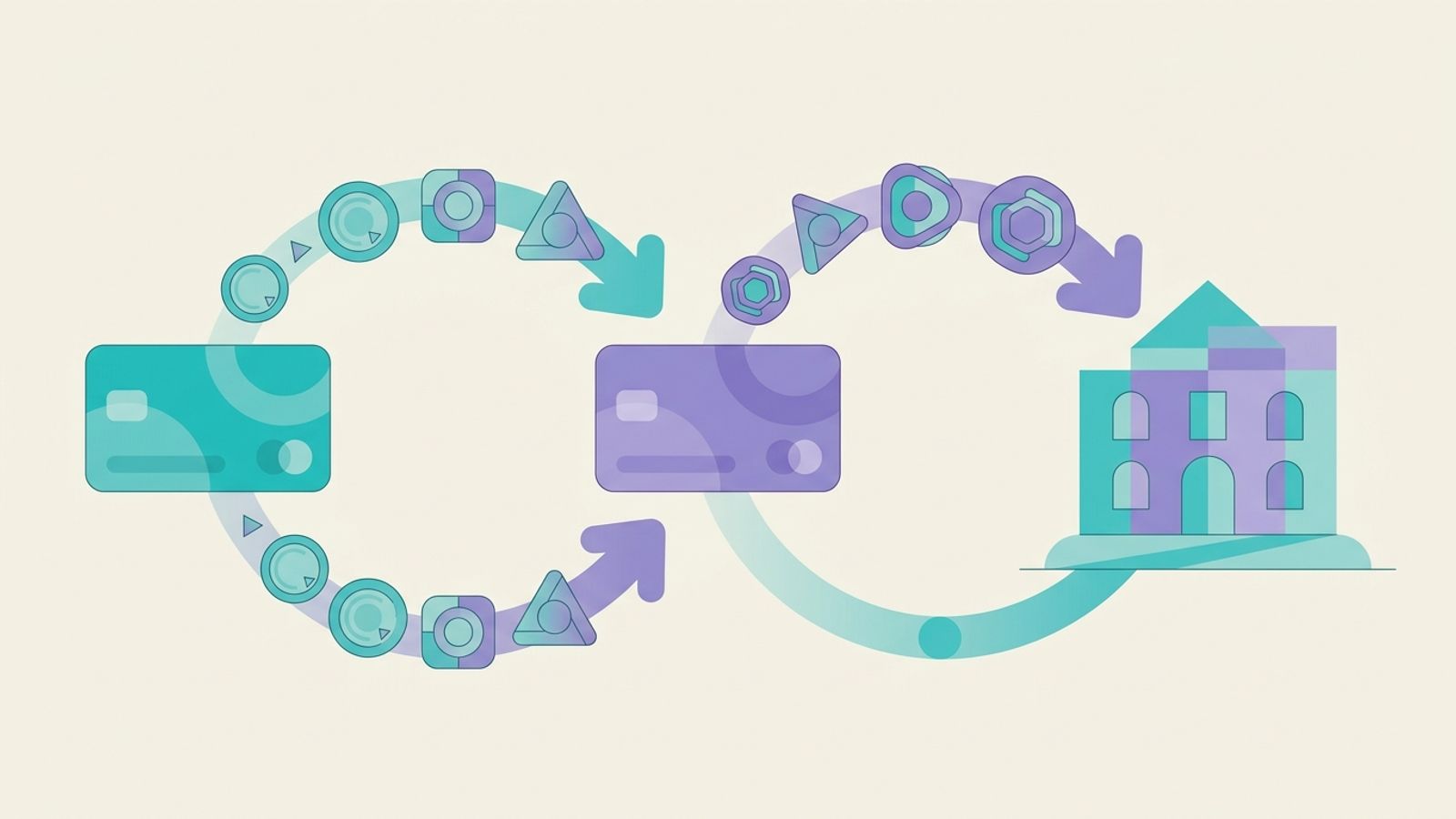
The invoice from your agency in Bengaluru says $8,400. Your business account is in pounds. Your bank's international payment screen offers to send dollars, shows a rate, and asks you to confirm. You click, the money leaves, and you have no way of telling whether the rate was fair or what happens to the payment on the other side.
A UK business with a sterling account and an Indian vendor who invoices in US dollars is one of the most common set-ups we see. Here are the ways to get from pounds to a dollar payment, how each one charges you, and what to check before you pick one.
Why your Indian vendor invoices in dollars
Plenty of Indian agencies and freelancers price their overseas work in US dollars, whichever country the client is in. Their bank converts the dollars into rupees when the money arrives. For you, the invoice is fixed in dollars while your money is in pounds, so every invoice means buying dollars somewhere.
You can ask to be invoiced in pounds instead, and some vendors will agree. Our post on hidden FX markup walks through who converts the money in each case. This post assumes the invoice stays in dollars.
Four ways to get from pounds to a dollar payment
1. Pay in dollars straight from your sterling account
Most UK business accounts can send an international payment in a foreign currency. You enter the dollar amount, the bank converts your pounds at its own rate on the day, and the payment goes out over SWIFT. No new account is needed. The cost sits in two places: the payment fee on your bank's tariff, and the gap between the bank's rate and the mid-market rate, which most banks do not show as a separate line. You also choose a charge option (OUR, SHA or BEN), which decides who pays the banks along the route. This post explains why vendors end up short when that choice goes wrong.
2. Add a currency account at your bank
High-street banks offer foreign currency accounts to business customers. Barclays, for example, lists US dollars among the currencies on its business Foreign Currency Account, with no minimum balance and same-day settlement for dollar transactions, and asks new customers to open a business account first. A currency account lets you buy dollars when you choose and hold them until the invoice is due. The fees sit on each bank's tariff, so check three lines: the account itself, converting pounds into it, and sending a payment out of it.
3. Open a multi-currency business account
Wise Business, Revolut Business and Airwallex let a UK business hold dollars next to pounds. Airwallex's USD account page says the account comes with local US bank and branch codes and a dedicated account number. These providers price a payment to India from a dollar balance as a conversion into rupees. We compared four of them at five payment sizes, using their published pricing, in Wise or Revolut Business for payments to India?
4. Open a USD-only account
Some UK providers offer a single-currency dollar account. Starling's USD business account is one, and its own page shows the limits worth looking for. It is for limited companies only. It runs on the US ACH network, and Starling says it cannot support incoming or outgoing SWIFT payments. When we checked, the page also said Starling was not taking new applications for it. An account like this suits paying US-based companies. On its own it cannot reach a bank in India.
| Route | New account? | Who converts pounds to dollars, and when | Can it pay an Indian bank? |
|---|---|---|---|
| Pay in USD from your sterling account | No | Your bank, at its rate on the day you pay | Yes, over SWIFT |
| Currency account at your bank | Yes, at your bank | Your bank, when you choose to buy | Check your bank's terms and tariff |
| Multi-currency business account | Yes, with the provider | The provider, when you choose to buy | Yes, usually paid out in rupees |
| USD-only account (ACH) | Yes, with the provider | The provider, when you choose to buy | Not if it only sends ACH |
You are paying for two conversions, not one
Whichever route you choose, your money usually changes currency twice before your vendor can spend it. First pounds become dollars, on your side. Then dollars become rupees, either at your provider or at your vendor's bank in India. Each conversion has its own rate and its own margin, and only the first one appears on your statement.
So when you compare routes, ask each provider three things:
- What rate do you apply to pounds into dollars, and how far is it from the mid-market rate?
- Who converts the dollars into rupees, and at what rate?
- Is there a fixed fee on each payment as well?
A route with a small payment fee can still be the expensive one if the conversion margin is wide.
Check what the account can actually send
A dollar balance is not the same thing as a dollar payment to India. Before you open anything, check which payment types the account can send: US domestic transfers (ACH or Fedwire), international SWIFT payments, or both. An ACH-only account moves dollars inside the US and stops there.
Check the limits and cut-off times too, and whether the payment reference has room for the invoice number. Your vendor matches the money to the invoice by that reference, and a missing one is a common reason for a chasing email.
Keeping the books in pounds
Your accounts are in sterling, so every dollar invoice needs a sterling value. For VAT, HMRC's guidance on transactions in foreign currencies gives two standard ways to convert: the UK market selling rate at the time of the supply, or HMRC's published period rate, which lets you use one rate for a whole period, usually a calendar month. Which suits your business, and how VAT works on services bought from India, is a question for your accountant. Our supplier checklist covers the reverse charge in more detail.
Holding dollars while the pound moves
Once your invoices are in dollars, the pound's moves against the dollar change what each invoice costs you. Pay from a sterling account on the day and you take that day's rate. Hold a dollar balance and you choose when to buy, which can smooth the cost but leaves cash sitting in dollars. Neither suits every business, and this is not financial advice: it depends on how regular your invoices are and how much cash you can keep in dollars.
Where Winvesta fits
Winvesta starts once you have dollars. You send one USD transfer from your business account with the invoices attached, we split it across your Indian vendors, and the rupees land in their banks in 1–2 days. There is no sender fee and no markup, and your vendors receive e-FIRA and remittance advice for their records.
What we do not do: we do not convert your pounds into dollars, we are not a UK bank account, and we do not give tax advice. If you already hold dollars, or you are setting up a dollar account anyway, tell us where you bank and we will set you up. You verify your business once, the same day in most cases.
Paying India in dollars from the UK: common questions
Can I pay an Indian vendor's dollar invoice from a sterling account?
Yes. Most UK business accounts can send an international payment in US dollars. Your bank converts the pounds at its rate on the day and sends the payment over SWIFT. Check the tariff for the payment fee and ask how the rate compares with the mid-market rate.
Do I need a US bank account to pay in dollars?
No. A dollar balance at a UK bank or a multi-currency provider is enough to send dollars. US account details matter more if you also receive dollars from customers in the US.
Can I pay India from a USD account that only sends ACH?
Not directly. ACH is a US domestic network. To reach a bank in India you need an account that can send an international payment, or a service that takes your dollars and pays out in India.
Should I ask my vendor to invoice in pounds instead?
You can. The conversion then happens on your vendor's side, at their bank's rate for pounds into rupees, which may change the price they quote you. Talk it through with them before you switch.
Which exchange rate do I use in my VAT records?
HMRC's guidance allows the UK market selling rate at the time of the supply or HMRC's period rate. Your accountant can tell you which to use and how the reverse charge applies to services from India.